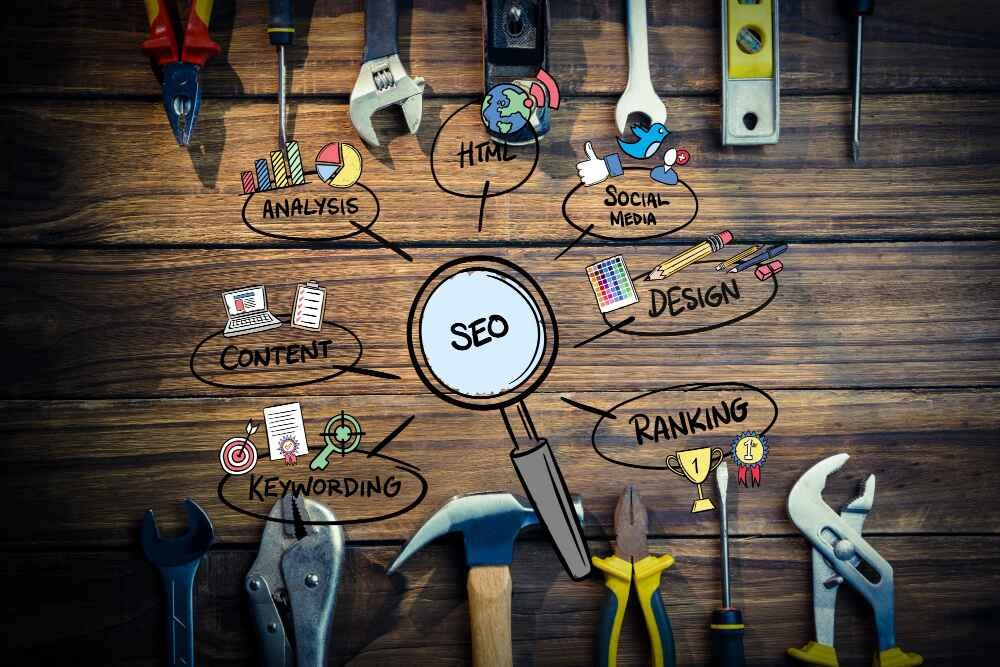
SEO

How Affiliation SEO Can Enhance Your Online Business

Affiliation SEO

Affiliate marketing has emerged as one of the most reliable ways to earn online income. But in a crowded digital landscape, even the best affiliate strategies can fall short without one crucial element: affiliation SEO. Optimizing your affiliate content for search engines ensures your website attracts the right audience, drives clicks, and maximizes revenue.

In this guide, we’ll explore what affiliation SEO is, why it’s essential for your online business, and actionable strategies to implement effective SEO for affiliates that convert.

What Is Affiliation SEO?  

Affiliation SEO refers to the practice of optimizing affiliate websites and content to rank higher in search engine results. Unlike general SEO, which focuses mainly on attracting traffic, affiliation SEO emphasizes conversion-driven content—the kind that encourages visitors to click on affiliate links SEO and make purchases.

Core aspects of affiliation SEO include:

  • Targeting keywords with strong commercial intent.

  • Creating high-quality, conversion-focused content.

  • Building authoritative backlinks to enhance domain trust.

Why Affiliation SEO Is Crucial for Online Businesses  

Many affiliate marketers assume that simply publishing product reviews or comparison articles is enough. The reality is that without SEO for affiliates, even the most valuable content may remain invisible to potential buyers.

Key benefits of implementing affiliate SEO marketing include:

  1. Sustained Organic Traffic
    Well-optimized affiliate content brings a consistent stream of visitors without relying solely on paid ads.

  2. Higher Conversion Rates
    Strategically placed affiliate links and SEO within quality content increase click-throughs and revenue.

  3. Cost-Effective Growth
    Unlike paid campaigns, SEO-driven strategies offer long-term benefits while boosting credibility and authority in your niche.

Focusing on affiliation SEO ensures that your website not only attracts visitors but also establishes trust, encouraging repeat engagement.

Key Components of an Effective Affiliate SEO Strategy  

Successful SEO affiliate marketing relies on several core pillars:

1. Targeted Keyword Research  

Keyword research forms the backbone of affiliate SEO. Focus on:

  • Buyer keywords, such as “best wireless headphones for running.”

  • Informational keywords, like “how to choose running headphones.”

By targeting both types, your content captures visitors at different stages of the buying journey.

2. High-Quality Content Creation  

Content is king, even in affiliate marketing. To optimize your content:

  • Provide in-depth guides, reviews, or comparisons.

  • Include personal experiences or case studies to build credibility.

  • Integrate affiliate links SEO naturally to avoid appearing spammy.

3. On-Page SEO  

Optimizing on-page elements ensures search engines understand your content:

  • Use clear meta titles and descriptions that include target keywords.

  • Structure content with headings (H1, H2, H3) for readability.

  • Include internal links to related posts to improve engagement and dwell time.

4. Backlink Strategy  

Backlinks signal authority to search engines:

  • Secure guest posts on reputable sites in your niche.

  • Collaborate with influencers or participate in expert roundups.

  • Avoid low-quality link schemes that can harm your rankings.

How SEO Affiliate Marketing Boosts Revenue  

The benefits of affiliate SEO programs extend beyond just traffic:

  • Improved Rankings = More Clicks: Higher positions attract more organic visitors.

  • Enhanced User Experience: Mobile-friendly, fast-loading pages retain visitors longer.

  • Trust and Credibility: Well-structured content with clear affiliate disclosures builds confidence, leading to higher conversions.

For instance, websites that optimize product reviews with proper affiliate links and SEO often see substantial increases in affiliate commissions over time.

Best Practices for Affiliate Links SEO  

Handling affiliate links correctly is critical for SEO and user trust:

  • Place links naturally within content without overwhelming the reader.

  • Use rel=“sponsored” or rel=“nofollow” attributes to comply with search engine guidelines.

  • Always disclose affiliate relationships to maintain transparency and credibility.

Integrating these strategies ensures your SEO for affiliates efforts remain effective and trustworthy.

Technical SEO Essentials for Affiliate Sites  

Even the most compelling content requires a solid technical foundation:

  1. Site Speed – Optimize images, compress files, and leverage caching.

  2. Mobile Optimization – Ensure responsive design and easy navigation.

  3. Secure Website – Use HTTPS to protect user data.

  4. Clean Site Structure – Implement user-friendly URLs and breadcrumbs for better crawlability.

Technical SEO allows search engines to index your pages efficiently, increasing the likelihood of ranking higher for your target keywords.

Tools and Metrics to Monitor  

Effective affiliate SEO marketing relies on continuous monitoring:

  • Analytics Tools: Track traffic, user behavior, and conversions.

  • Keyword Tracking: Monitor rankings and identify new opportunities.

  • Page Speed Insights: Ensure optimal performance across devices.

  • Search Console: Detect indexing issues, coverage problems, and potential optimization opportunities.

Regular monitoring helps refine strategies, improve rankings, and increase affiliate earnings over time.

Common Affiliate SEO Mistakes  

To succeed with seo affiliate marketing, avoid these mistakes:

  • Overloading content with affiliate links.

  • Publishing thin or generic content that doesn’t address user intent.

  • Ignoring E-E-A-T (Expertise, Experience, Authority, Trust) principles.

  • Failing to optimize for mobile or page speed.

Correcting these mistakes ensures steady rankings, increased traffic, and long-term revenue growth.

Building a Long-Term Affiliate SEO Strategy  

Long-term success requires a structured approach:

  1. Content Planning – Regularly publish high-quality, keyword-targeted articles.

  2. Link-Building – Secure quality backlinks to boost authority.

  3. User Engagement – Focus on readability, navigation, and relevant content to retain visitors.

  4. Continuous Optimization – Track performance, update content, and refine SEO strategies.

By building a long-term plan, your affiliate website becomes a reliable income-generating asset.

 Maximizing Revenue with Affiliation SEO Strategies 

Affiliation SEO is more than a marketing tactic—it’s a transformative strategy for online businesses. By combining SEO for affiliates, strategic affiliate links SEO, and high-quality content, Brand Name helps you attract targeted traffic, improve conversions, and maximize revenue. Investing in affiliate SEO marketing with The Digital IT Solutions ensures your affiliate business not only survives in a competitive market but thrives as a sustainable, long-term revenue source.

Frequently Asked Questions (FAQs) About Affiliation SEO  

1. What is affiliation SEO and why is it important?
Affiliation SEO is the process of optimizing affiliate websites and content to rank higher on search engines. By implementing seo for affiliates strategies, marketers can attract targeted traffic, increase clicks on affiliate links SEO, and boost overall revenue.

2. How do affiliate links impact SEO?
 When used correctly, affiliate links and SEO work together without harming rankings. Avoid excessive linking and use proper attributes like rel=”sponsored” to maintain compliance. Done right, seo affiliate marketing benefits from natural link placements.

3. What are the best affiliate SEO programs?
Affiliate SEO programs vary by niche, but the most effective ones provide high-converting products and reliable tracking. Combining these programs with seo for affiliates strategies ensures maximum traffic and commissions.

4. Can SEO affiliate marketing improve website rankings?
Yes. Optimized content with strategically placed affiliate links SEO and strong keyword targeting can enhance search visibility and improve seo affiliate rankings.

5. Do affiliate links hurt SEO?
No, if implemented correctly. Overuse or spammy links can cause issues, but following best practices in affiliate SEO marketing ensures that links support both user experience and search rankings.

How Affiliation SEO Can Enhance Your Online Business Read More »

What is Bespoke SEO and Why Your Business Needs It

Search engine optimization services

In today’s competitive digital landscape, businesses can no longer rely on generic strategies to boost their online visibility. Enter bespoke SEO, a tailored approach to search engine optimization designed to meet the unique needs of your business. Unlike standard SEO packages, which apply the same tactics to every website, bespoke SEO focuses on customized strategies that align with your brand, target audience, and goals.

In this blog, we’ll explore what bespoke SEO is, why it’s essential for modern businesses, and how investing in professional bespoke SEO services can give your website a significant competitive edge.

What is Bespoke SEO?  

Bespoke SEO refers to a fully customized search engine optimization strategy that is built specifically for your business. Instead of using a one-size-fits-all approach, a bespoke SEO company analyzes your website, industry, competitors, and target audience to create a strategy that delivers the best results.

The term “bespoke” itself means “made to order” or “customized.” In the SEO context, it implies a personalized plan covering everything from technical SEO to content strategy, link building, and performance tracking.

Key Elements of Bespoke SEO  

  1. Tailored Keyword Research
    Unlike standard SEO, which targets generic keywords, bespoke SEO focuses on keywords relevant to your business niche, including long-tail keywords that attract high-intent visitors.

  2. Custom Content Strategy
    Bespoke SEO includes creating content that resonates with your audience and aligns with their search intent. This ensures higher engagement, longer site visits, and better conversion rates.

  3. Technical Optimization
    A professional bespoke SEO company audits your website to identify technical issues affecting your rankings. This may include site speed optimization, mobile responsiveness, schema markup, and crawlability improvements.

  4. Competitor Analysis
    Bespoke SEO strategies consider your competitors’ strengths and weaknesses to help you outperform them in search engine rankings.

  5. Ongoing Monitoring and Adjustments
    Unlike generic SEO, bespoke SEO involves continuous tracking and refinement. Regular bespoke SEO audits ensure your strategy stays effective and adapts to changes in search algorithms.

Why Your Business Needs Bespoke SEO  

SEO Companies | Digital Marketing Agency | The Digital IT Solutions

Every business is unique, and so should be its SEO strategy. Here’s why investing in bespoke SEO is crucial:

1. Stand Out in a Competitive Market  

Generic SEO tactics might work for some businesses, but they often fail to address specific challenges in competitive niches. Bespoke SEO services help your business stand out by creating strategies tailored to your strengths and goals.

2. Higher ROI  

By targeting the right audience with the right content, bespoke SEO ensures your marketing budget is spent effectively. Custom strategies lead to higher-quality traffic, better engagement, and more conversions.

3. Enhanced User Experience  

Bespoke SEO doesn’t just focus on search engines; it also prioritizes the user experience. Optimizing site structure, improving page speed, and delivering relevant content keeps visitors engaged and encourages repeat visits.

4. Adaptable to Business Growth  

As your business evolves, your SEO strategy should too. Bespoke SEO allows for ongoing adjustments based on new products, services, or market changes, ensuring long-term success.

5. Comprehensive Analysis  

With regular bespoke SEO audits, your business gets detailed insights into website performance, keyword effectiveness, and growth opportunities. This data-driven approach enables smarter decision-making.

Components of Bespoke SEO Services  

When you hire a bespoke SEO company, you typically gain access to a range of services tailored specifically for your business:

  1. Custom SEO Strategy – A roadmap that aligns with your business goals.

  2. Bespoke Keyword Research – Identifying high-value, low-competition keywords specific to your industry.

  3. On-Page SEO Optimization – Tailored meta tags, headings, and content optimization for higher rankings.

  4. Technical SEO Audits – Regular bespoke SEO audits to identify and fix technical issues.

  5. Content Development – High-quality, relevant content created to attract and engage your target audience.

  6. Link-Building Strategies – Personalized backlink strategies that increase domain authority and visibility.

  7. Analytics & Reporting – Customized reporting that tracks performance and highlights opportunities for improvement.

How to Choose the Right Bespoke SEO Company  

Selecting the right partner is critical to your SEO success. Here are key factors to consider:

  • Experience and Track Record: Look for a company with proven experience in delivering results for businesses similar to yours.

  • Transparency: A reputable bespoke SEO company provides clear communication, detailed proposals, and measurable goals.

  • Custom Solutions: Ensure they offer tailored strategies rather than generic packages.

  • Continuous Support: SEO is an ongoing process; choose a partner who provides regular bespoke SEO audits and updates.

Take Your Business to the Next Level with Bespoke SEO  

In today’s digital landscape, generic SEO strategies simply aren’t enough to keep your business ahead of the competition. Bespoke SEO offers a tailored, results-driven approach that aligns perfectly with your unique business goals, audience, and industry. From custom keyword research and content strategies to technical optimizations and ongoing bespoke SEO audits, this personalized strategy ensures your website not only ranks higher but also delivers measurable business growth.

Don’t settle for one-size-fits-all SEO. Partner with The Digital IT Solutions and unlock the full potential of your online presence with expert bespoke SEO services designed specifically for your business. Contact us today to start your journey toward higher rankings, increased traffic, and lasting success.

What is Bespoke SEO and Why Your Business Needs It Read More »

SEO for Estate Planning Lawyers: How to Win Clients in 2026

SEO Strategy

The demand for estate planning continues to grow, but so does the competition. In 2026, law firms that want consistent, high-quality clients can no longer rely solely on referrals or outdated marketing tactics. Instead, they must master estate planning SEO—a modern strategy that puts your law firm in front of clients exactly when they are searching for services like wills, trusts, probate, and asset protection.

This guide explains how SEO for estate planning lawyers works, why it matters more than ever, and the specific strategies you need to outrank competing firms in your market.

Why Estate Planning SEO Is Essential in 2026  

Clients looking for an estate planning attorney rarely browse directories anymore. They search Google for terms like:

  • “estate planning lawyer near me”

  • “help creating a will”

  • “living trust attorney”

  • “probate lawyers in [city]”

If your firm isn’t appearing on page one, those leads are going to your competitors. That’s where estate planning SEO becomes essential. When done correctly, estate planning SEO helps you:

  • Attract high-intent leads

  • Reduce dependence on paid ads

  • Increase trust and authority

  • Build long-term visibility

  • Convert website visitors into clients

Because SEO compounds over time, firms that invest now will dominate search results throughout 2026 and beyond.

Understanding How Estate Planning SEO Works  

Effective estate planning SEO involves optimizing your website so Google recognizes it as the best resource for estate-related legal topics. This includes technical optimization, local visibility, content authority, and ongoing performance improvements.

Most firms don’t implement SEO strategically, which is why partnering with an estate planning Cape Coral SEO company or following a proven framework can give you a major competitive advantage.

1. Build a High-Authority Website Foundation  

What are Backlinks in SEO

Before publishing content, your website must be technically sound. Google prioritizes fast, mobile-friendly, secure websites—especially in the legal field.

Key foundational steps:  

  • Use HTTPS and strong security signals

  • Ensure loading speed under 2 seconds

  • Optimize for mobile-first indexing

  • Fix broken links, duplicate content, and crawl errors

  • Improve navigation and user experience

A solid foundation ensures your estate planning SEO efforts actually rank, instead of getting held back by avoidable technical issues.

2. Target High-Intent Keywords That Convert  

Keyword research is the heart of estate planning SEO. Your keyword strategy should target both informational and commercial intent.

High-intent commercial keywords:  

  • estate planning attorney

  • trust lawyer near me

  • will lawyer

  • estate planning lawyer

  • probate attorney

These searchers are ready to hire an attorney. That’s why optimizing for estate planning attorney SEO can dramatically increase consultations.

Informational keywords:  

  • what is a living trust

  • how probate works

  • will vs trust differences

  • how to avoid probate

These build authority and help Google trust your content, which strengthens your entire estate planning SEO strategy.

3. Create Long-Form, Helpful Content (Not Keyword Stuffing)  

In 2026, Google prioritizes content that demonstrates Expertise, Experience, Authority, and Trustworthiness (E-E-A-T). To outrank competing blogs, your content must be:

  • 1,000+ words

  • Well-organized and skimmable

  • Factually accurate

  • Legally reliable

  • Genuinely helpful

Topics like probate, wills, trusts, elder law, guardianship, and asset protection all strengthen estate planning SEO and attract diverse audiences.

Examples of high-performing topics:  

  • “How to Choose the Right Executor for Your Estate”

  • “Do You Need a Will or Trust? A Lawyer’s Guide”

  • “What Happens if You Die Without a Will?”

Consistently publishing content improves rankings for estate planning probate law SEO and positions your firm as the authority in your region.

4. Strengthen Local SEO to Dominate Your Market  

Most estate planning clients want a lawyer near them, so local optimization is critical.

Local SEO essentials for attorneys:  

  • Build and optimize a Google Business Profile

  • Add accurate NAP (name, address, phone) across the web

  • Earn positive reviews from real clients

  • Post updates, FAQs, and service descriptions

  • Add location-specific keywords to pages

For example:

  • “estate planning lawyer in Denver”

  • “probate attorney in Palm Beach County”

Local relevance dramatically improves your estate planning SEO performance because it aligns with how clients search.

5. Build High-Quality Backlinks From Trusted Legal Sources  

Google sees backlinks as endorsements. The more authoritative the sites linking to you, the higher your estate planning SEO rankings.

Best backlink opportunities for law firms:  

  • Legal directories (Avvo, Justia, FindLaw)

  • Local business directories

  • Guest posts on legal blogs

  • Chambers of commerce

  • Estate planning associations

  • Podcasts and interviews

Avoid buying links or using spammy networks—those can harm SEO for estate planning lawyers and trigger Google penalties.

6. Convert Traffic With Better User Experience  

Getting traffic is only half the battle. Your website should also convert visitors into scheduled consultations.

Conversion boosters:  

  • Clear calls-to-action

  • Appointment scheduling buttons

  • Live chat or AI chat assistants

  • Trust badges, testimonials, case examples

  • FAQ sections for probate and trusts

Improving conversion rate makes every estate planning SEO effort more profitable.

7. Track Data and Optimize Continuously  

SEO is never “set it and forget it.” Monitor key data points like:

  • Keyword rankings

  • Organic traffic

  • Local map pack visibility

  • Click-through rates

  • Phone calls and form submissions

  • Heatmaps and user behavior

Firms that analyze data consistently outperform those that don’t, which is why many partner with an experienced estate planning SEO company to handle ongoing management.

Why Estate Planning Firms That Invest Now Will Win  

By 2026, search competitiveness will increase dramatically. Early adopters of strong estate planning SEO strategies will secure long-term visibility and lower acquisition costs compared to firms relying on expensive paid ads.

Whether you invest in professional estate planning attorney SEO services or implement these strategies in-house, the firms that commit to SEO today will be the ones winning the most clients tomorrow.

 Start Building Your Estate Planning SEO Strategy Today 

Estate planning has become a digital-first industry. Clients expect educational content, easy navigation, trustworthy information, and fast access to an attorney. Through consistent, strategic estate planning SEO with the digital it solutions, your law firm can rank higher, attract more clients, and build a sustainable growth engine in 2026 and beyond.

SEO for Estate Planning Lawyers: How to Win Clients in 2026 Read More »

Can Adding More Pictures Increase SEO?

SEO Ranking Factors | The Digital IT Solutions

Many website owners and marketers wonder: can adding more pictures increase SEO? The short answer is yes—when used strategically, images can significantly improve your search rankings, user engagement, and overall website performance. While high-quality written content remains important, visual content has become a powerful SEO asset that search engines analyze and reward.

In today’s digital landscape, search engines like Google don’t just read text. They also understand images, user behavior, and contextual signals. That means optimizing your visuals can help you improve visibility, attract more organic traffic, and enhance user experience.

In this guide, you’ll learn how images affect rankings, why they matter for SEO, and how to use them correctly to boost your website performance.

Why Adding More Pictures Can Improve SEO Performance  

Search algorithms have evolved far beyond keyword matching. They now evaluate user intent, engagement, and content experience. Here’s how adding visuals contributes to those signals.

1. Images Increase Dwell Time and Reduce Bounce Rate  

When visitors land on a webpage with long blocks of text, they often leave quickly. But pages with engaging, relevant images keep people scrolling longer.

This extended dwell time tells Google that your page provides useful, relevant information. The more time users spend consuming your content, the stronger the signal sent to search engines that your page is valuable.

By strategically placing an image at every major section or scroll depth, you create a more engaging experience that encourages users to continue reading rather than abandoning the page.

2. Images Enhance User Interaction Signals  

Search engines track how users engage with content, and visuals play a major role in whether people share, save, or engage with your page.

Visually appealing images increase the likelihood of:

  • social media shares,

  • click-throughs,

  • comments on shared posts,

  • backlink opportunities, and

  • referral traffic.

These interaction metrics improve authority, visibility, and trust—three essential components of SEO success. Original images work especially well because search engines can detect unique content. Custom visuals build brand authenticity, while generic stock images offer less SEO value.

3. Image Search Visibility Expands Your Organic Reach  

Images don’t just support text—they also rank independently in Google Image Search. Many users rely on visual search for products, tutorials, ideas, services, and local businesses.

By optimizing your images with descriptive file names, accurate alt text, and correct sizing, you can rank in image results and drive a new stream of organic traffic to your website.

This is a major opportunity businesses often ignore—but it can dramatically enhance overall visibility.

4. Better Mobile Optimization and Core Web Vitals  

Mobile users expect easy-to-read, visually supported content. Images make content more digestible on small screens and keep visitors engaged.

When images are properly compressed, responsive, and optimized, they help improve Google’s Core Web Vitals performance metrics, such as:

  • Largest Contentful Paint (LCP),

  • Cumulative Layout Shift (CLS), and

  • First Input Delay (FID).

These metrics directly affect ranking. Optimized images load faster, create a smoother experience, and support stronger search performance.

Image SEO Best Practices for Higher Rankings   on SERP

Geotagging GBP Photos

If you want images to improve SEO—not hurt it—you must optimize them correctly. Here are essential steps to follow:

1. Use Descriptive, Keyword Rich File Names  

Instead of uploading “IMG_001.jpg,” rename your files with clear descriptions.

Example:
“hvac-maintenance-technician-inspecting-furnace.jpg”

it’s helps search engines understand what the image represents.

2. Write Clear and Meaningful Alt Text  

Alt text improves accessibility and Image SEO. Write what the image actually shows, not what you want it to rank for artificially.

Good alt text example:
“Plumber fixing a leaking pipe under a kitchen sink.”

Bad example:
“Best plumber near me.”

3. Use Captions Where Appropriate  

Captions get read more often than body text. When relevant, captions help users—and Google—understand the surrounding context.

4. Compress and Optimize Images Size  

Oversized images slow your site and harm SEO. Convert images to WebP, a modern lightweight format preferred by Google.

5. Adding Structured Data Markup  

Image-related schema helps Google display your visuals more prominently, potentially earning featured placements.

6. Using Original Photos Instead of Stock Images  

Google rewards unique, value-adding visuals. Custom graphics, photos, or infographics help strengthen your brand identity and SEO performance.

Conclusion: So, Can Adding More Pictures Increase SEO?  

Absolutely—adding more pictures can increase SEO when they’re relevant, optimized, and strategically placed. Visual content keeps users engaged, provides stronger ranking signals, improves accessibility, and expands visibility in image search results.

Today’s search rankings depend heavily on user experience, and images play a vital role in creating a dynamic, mobile-friendly, visually appealing site. Incorporating smart image optimization into your SEO strategy can dramatically improve how your website performs.

At The Digital IT Solutions, we believe that if you want to improve your organic search performance, visual content isn’t optional—it’s essential.

FAQs  

1. How to pick an SEO company?  

To choose the right SEO company, look for an agency with proven results, transparent reporting, customized strategies, and a strong understanding of your industry. Ask for case studies, request a clear scope of work, and make sure they use ethical, Google-approved practices. Avoid companies promising “overnight rankings,” as SEO requires time and consistent effort.

2. How does SEO work in an infographic?  

An SEO infographic visually explains how search optimization functions. It typically includes concepts like keyword research, on-page optimization, content creation, backlinks, technical SEO, and ranking signals. Infographics help simplify complex SEO processes and make information easier to digest for visual learners.

3. What is SEO-rich text?  

SEO-rich text is content specifically written to rank well in search engines. It naturally incorporates relevant keywords, provides in-depth information, follows a logical structure, and delivers value to readers. SEO-rich text avoids keyword stuffing and focuses on quality, readability, and user intent.

4. Which CMS is best for SEO?  

The best CMS for SEO depends on your needs, but WordPress, Shopify, Webflow, and Drupal are top performers. WordPress is particularly popular because it offers SEO-friendly plugins, customizable site structures, and excellent indexing capabilities. Choose a CMS that allows clean code, fast loading times, mobile responsiveness, easy meta tag editing, and strong plugin support.

5. How to create a standard SEO content brief? 

To create a standard SEO content brief, start by defining the target keyword, search intent, and audience. Include suggested headings (H1, H2s), word count, and internal/external links. Add guidance on tone, style, and any required media like images or videos to ensure content aligns with SEO goals.

Can Adding More Pictures Increase SEO? Read More »

9 Restaurant SEO Tips to Boost Your Online Presence

Search engine optimization services

In today’s digital-first world, having a strong online presence is no longer optional for restaurants—it’s essential. Diners expect to find your restaurant quickly and easily, whether they’re searching on Google, checking menus online, or exploring food delivery options. This is where local SEO for restaurants becomes a game-changer.

Restaurants that optimize their online presence see measurable benefits: restaurants with online ordering systems earn up to 130% more revenue, and online ordering itself is growing 300% faster than traditional dine-in services. Additionally, 60% of diners research menus online, and half check the restaurant’s website before deciding where to eat.

Investing in restaurant SEO services or working with a restaurant SEO agency ensures your business appears in search results when potential customers are actively looking for places to eat. By strategically optimizing your website, menus, and digital profiles, your restaurant can attract more diners, increase reservations, and boost revenue, all while staying ahead of local competitors.

What Is SEO?

Search Engine Optimization (SEO) is the process of enhancing a website so it ranks higher in search engines like Google, Yahoo, or Bing. For restaurants, this means more potential diners can find your business online when searching for meals, menus, or dining experiences. Higher visibility translates to increased website traffic, more reservations, and higher online orders.

Local restaurant SEO specifically targets searchers in your geographic area. For example, if you own a pizza restaurant in Denver, optimizing your website for phrases like “Denver restaurant SEO” or “best pizza in Denver” can help your restaurant appear on the first page of Google. A well-optimized site ensures users can easily navigate your menu, make reservations, or place online orders.

Partnering with a restaurant SEO company can simplify the process, implementing effective strategies to boost visibility, attract more local diners, and convert online searches into in-person visits or orders.

The Benefits of SEO for Restaurateurs

SEO for Restaurateurs

Investing in local SEO for restaurants offers long-term advantages that can transform your business. High search engine rankings make it easier for new diners to find you, increasing website traffic, online orders, and reservations. SEO also helps build brand awareness, creating trust and recognition within your community.

Optimizing for local search ensures your restaurant appears in “near me” queries, capturing diners who are ready to visit. Working with a restaurant SEO agency especially one familiar with your city like restaurant SEO Denver, can maximize these benefits.

Beyond immediate results, SEO provides an evergreen marketing channel that continues to drive traffic, engagement, and revenue over time, giving your restaurant a competitive edge and turning online visibility into tangible business growth.

9 Restaurant SEO Tips to Help Your Website Rank #1  

A strong SEO strategy can transform your restaurant’s online visibility, attracting more diners and driving higher revenue. At The Digital IT Solutions, we’ve helped countless restaurants optimize their digital presence, ensuring they appear in front of local customers at the right time. Here are the first two critical steps to get your restaurant ranking at the top of search results.

1. Build a Strategic Keyword Roadmap  

The foundation of any successful local restaurant SEO campaign starts with creating a well-thought-out keyword roadmap. This roadmap outlines the search terms you want your restaurant’s website to rank for, helping search engines understand your business and connect you with hungry customers.

Start by identifying high-intent keywords—these are phrases potential diners actively search for when deciding where to eat. Examples include “best pizza near me,” “family restaurant in Denver,” or menu-specific terms like “vegan pasta Denver.” Next, consider niche keywords tailored to your offerings, such as “Denver brunch specials” or “gluten-free desserts Denver.” Finally, include branded keywords, like your restaurant name, to ensure your business appears at the top of search results for loyal customers and repeat visitors.

Keyword planning tools such as Google Keyword Planner, SEMrush, or Ahrefs can help you discover new opportunities, evaluate search volume, and prioritize the terms that will bring the most value. Mapping keywords to your target customer personas—for example, families, young professionals, or foodies—can further refine your strategy and create content that resonates. By developing a strategic roadmap, your restaurant can lay the groundwork for restaurant SEO services that deliver sustainable, long-term results.

2. Optimize for Local SEO  

Geocoded for Google Business Profile Posts

With most diners searching for nearby restaurants on Google, optimizing for local SEO for restaurants is essential. This involves ensuring your restaurant’s location, contact details, and services are consistent across all online platforms. Known as NAP consistency (Name, Address, Phone Number), it helps search engines verify your business and improves your chances of appearing in local searches.

Start by setting up or optimizing your Google Business Profile, including accurate details, high-quality images, menus, and customer reviews. Expand your reach by claiming listings on Yelp, TripAdvisor, Foursquare, and Yellow Pages. Incorporate city-based keywords throughout your website—phrases like “Denver restaurant SEO” or “best Denver dining” reinforce your local relevance.

Local SEO also includes optimizing for Google Maps and encouraging customers to leave reviews, which signals credibility and authority. The combination of a strong online presence and accurate local listings not only boosts search rankings but also increases foot traffic, reservations, and online orders. A professional restaurant SEO company like The Digital IT Solutions can help streamline this process, ensuring your restaurant stands out in a competitive local market.

3. List Your Restaurant on Review Sites & Build a Review Strategy  

Positive reviews are a cornerstone of restaurant SEO and local visibility. Claiming and optimizing profiles on major review sites like Yelp, TripAdvisor, Zomato, and Google not only increases your credibility but also improves your chances of appearing in local search results.

Encourage diners to leave reviews by offering excellent service, following up with thank-you emails, or providing gentle prompts on receipts or social media. Respond to reviews—both positive and negative—to show engagement and build trust with potential customers. Google considers review quantity, quality, and frequency when ranking local businesses, making a consistent review strategy a critical part of your local restaurant SEO efforts.

4. Earn Inbound Links to Your Restaurant’s Website  

Backlinks from reputable sites are another powerful way to boost your restaurant’s search engine authority. Collaborate with local food bloggers, journalists, and influencers who can link to your website through reviews, features, or event coverage. You can also submit your restaurant to trusted directories, local guides, or niche culinary websites.

Each high-quality link signals to search engines that your website is credible and relevant, helping you rank higher for keywords like restaurant SEO Denver. Combined with review management, link building establishes your restaurant as an authority online, driving more traffic, reservations, and online orders. The Digital IT Solutions can help streamline these strategies for maximum impact.

5. Make Your Website Mobile-Friendly  

With most diners searching for restaurants on mobile devices, having a responsive website is no longer optional. Google prioritizes mobile-friendly sites in its search results, meaning a site that is slow, difficult to navigate, or poorly formatted on smartphones may rank lower for your target keywords like local SEO for restaurants or restaurant SEO Denver.

To optimize your site for mobile, ensure fast loading times, intuitive navigation, and readable text without excessive zooming or scrolling. Responsive design frameworks adjust your website layout automatically to fit any device, providing a seamless experience for visitors. Additionally, test every feature, including online ordering or reservations, to ensure a smooth process for mobile users. A positive mobile experience not only improves rankings but also increases conversions and customer satisfaction.

6. Use Content to Drive Local Relevance  

Creating relevant, localized content is an excellent way to improve your local restaurant SEO. Publish blog posts, event announcements, or seasonal specials to connect with your community and target location-based search terms. For example, a Denver restaurant can write about “Best Summer Brunch Spots in Denver” or “Local Farm-to-Table Ingredients in Denver Restaurants” to attract local diners searching online.

Regular content updates signal to search engines that your website is active and relevant, helping it rank higher for location-specific searches. Incorporate keywords naturally in headings, meta descriptions, and internal links to reinforce your authority.

7. Optimize Your Online Menu for Search Engines

Your menu is one of the most important pages for search visibility. Use text-based menus instead of images to allow search engines to crawl and index your items. Include descriptive keywords, such as “gluten-free pasta” or “vegan burger in Denver,” to attract relevant search traffic. Ensure that your menu is easy to navigate, mobile-friendly, and updated regularly with new offerings or seasonal specials.

An optimized menu not only improves your restaurant SEO company efforts but also increases the likelihood that diners will find your offerings, place online orders, and make reservations.

8. Improve Your Online Ordering & Reservations Experience  

A seamless online ordering and reservation system is crucial for both customer satisfaction and search engine rankings. Diners expect an intuitive experience with clear calls-to-action (CTAs) like “Order Now” or “Book a Table.” Complicated forms, slow loading times, or broken links can frustrate users, leading them to abandon the process—and Google takes note of high bounce rates.

Invest in reliable tools for online ordering and reservations, whether through your website or trusted third-party platforms. Test the entire flow from start to finish on desktop and mobile devices to ensure it’s fast and error-free. Providing a smooth, convenient experience encourages repeat visits, positive reviews, and higher engagement, all of which signal to search engines that your restaurant is trustworthy and user-focused.

9. Track Your SEO Performance and Iterate  

SEO is not a one-time task—it’s an ongoing strategy. Use tools like Google Analytics, Google Search Console, and other SEO platforms to monitor your website’s rankings, traffic, and conversions. Identify which keywords are driving traffic, which pages perform best, and where users drop off.

Based on these insights, refine your strategy regularly. Update underperforming pages, experiment with new keywords, and optimize content based on user behavior. Iterative improvements help your website maintain strong search rankings while staying aligned with changes in customer preferences and search engine algorithms.

Serving Up Success: Local SEO for Restaurants

Strong restaurant SEO is essential for attracting more diners, increasing online visibility, and staying competitive in today’s digital-first world. By implementing these nine strategies—from building a keyword roadmap and optimizing for local search to improving mobile usability, content, menus, and tracking performance—your restaurant can achieve higher rankings, more traffic, and better engagement.

With consistent effort and strategic adjustments over time, your restaurant can not only appear at the top of search results but also convert online visitors into loyal customers. At The Digital IT Solutions, we help restaurants implement these best practices to grow their digital presence and maximize revenue in an increasingly competitive market.

9 Restaurant SEO Tips to Boost Your Online Presence Read More »

How a B2B SEO Company Helps You Generate Qualified Leads Online

B2B SEO Company

In the competitive world of B2B marketing, ranking high on search engines isn’t enough—you need strategies that generate real business opportunities. That’s where a trusted B2B SEO company in Los Angeles makes the difference. Unlike generic marketing agencies that focus only on traffic, a professional B2B SEO specialist in Los Angeles aligns SEO efforts with your business goals to attract qualified decision-makers and local clients.

Using data-driven insights, advanced keyword targeting, and performance tracking, they help your business appear in front of the right audience at the right time. By combining technical optimization, in-depth audits, and localized content strategies, a Los Angeles B2B SEO company ensures your brand not only gains visibility but also generates leads that convert into long-term business relationships.

Understanding the Role of a B2B SEO Company in Los Angeles

A B2B SEO company in Los Angeles plays a crucial role in helping businesses connect with high-value clients through improved search visibility and strategic targeting. Unlike B2C strategies that focus on impulse-driven purchases, Los Angeles B2B SEO companies customize their approach to reach corporate decision-makers, executives, and organizations searching for long-term business solutions. They perform in-depth research to uncover keywords and content opportunities that match your industry, service offerings, and buyer intent.

By combining advanced analytics, content marketing, and conversion tracking, a skilled B2B SEO specialist in Los Angeles ensures every optimization effort contributes directly to your sales pipeline. From enhancing your website’s authority to boosting its visibility on Google, a B2B SEO company in Los Angeles builds a sustainable online presence that continually attracts qualified leads and drives measurable business growth.

Performing a Detailed B2B SEO Audit in Los Angeles 

Experts from an SEO agency analyzing website performance

Every successful SEO strategy starts with a comprehensive B2B SEO audit in Los Angeles. This essential process enables a B2B SEO company in Los Angeles to uncover technical, content, and performance-related issues that may be holding your website back in search rankings. A skilled B2B SEO specialist in Los Angeles carefully examines critical factors such as site architecture, page speed, backlink profile, keyword rankings, and conversion paths.

The audit also highlights gaps between your current performance and your top local or national competitors, allowing for a precise improvement plan. By analyzing analytics data, crawl reports, and user interactions, the B2B SEO audit Los Angeles process ensures your site is optimized for both search engines and real users. These insights lay the foundation for a long-term SEO strategy that drives qualified traffic and converts visitors into valuable business leads.

Leveraging Technical SEO for Better Lead Generation in Los Angeles 

Technical SEO is the backbone of every successful B2B marketing strategy. A skilled B2B SEO specialist in Los Angeles understands that even the most engaging content won’t perform well if your website faces technical issues that block visibility. Through B2B techniques SEO Los Angeles, a professional B2B SEO company in Los Angeles ensures your site is fast, secure, mobile-friendly, and optimized for both users and search engines.

Key elements include enhancing site speed, repairing broken links, applying structured data, and strengthening internal linking to build topical authority. Technical SEO also improves user experience — a vital factor in keeping decision-makers engaged longer on your website. By developing a clean, efficient site structure, the Los Angeles B2B SEO company enables potential clients to explore your services effortlessly, boosting conversion potential. In short, B2B technisches SEO in Los Angeles creates the strong technical foundation your business needs to attract, retain, and convert high-quality leads.

Optimizing for Local Visibility with B2B Local SEO in Los Angeles

Even in today’s global B2B marketplace, local visibility is vital for attracting nearby clients and business partners. A B2B SEO company in Los Angeles uses tailored B2B local SEO Los Angeles strategies to help your business rank higher in regional searches and Google Business listings. This includes optimizing your Google Business Profile, maintaining consistent NAP (Name, Address, Phone) details, and creating locally focused content that showcases your services across the Los Angeles area.

Trusted Los Angeles B2B SEO companies also build local citations and earn backlinks from credible business directories to strengthen your online authority. For B2B brands targeting specific LA neighborhoods or surrounding regions, B2B local SEO Los Angeles ensures maximum visibility to potential clients seeking reliable partners nearby. Ultimately, it boosts credibility, builds community trust, and drives a steady flow of qualified local leads.

Content Strategy and Keyword Targeting for Qualified Leads

SEO Agency Los Angeles

Content remains the cornerstone of every successful B2B marketing strategy. A professional B2B SEO company in Los Angeles develops content strategies that focus on intent-driven topics rather than keyword stuffing — ensuring every piece of content resonates with real business buyers. By analyzing search behavior, buyer pain points, and decision-making stages, a skilled B2B SEO specialist in Los Angeles creates blogs, case studies, and service pages tailored to attract executives and procurement teams. Each asset is optimized with relevant keywords to solve industry-specific challenges and showcase your expertise.

This data-driven approach helps Los Angeles B2B SEO companies build brand authority while capturing high-value traffic that converts into genuine business leads. Moreover, strategic keyword clustering ensures your content aligns with both SEO and sales goals, strengthening your visibility across local and national search results. When done right, content and keyword targeting work together to position your business as a trusted industry leader — driving more qualified leads and lasting partnerships.

How B2B SEO Companies Track and Measure Lead Quality

Effective SEO isn’t just about driving clicks — it’s about identifying which visitors convert into real business opportunities. Top Los Angeles B2B SEO companies use data-driven analytics to track and measure lead quality, ensuring your marketing efforts generate tangible results. A skilled B2B SEO specialist in Los Angeles leverages tools like Google Analytics, CRM integrations, and advanced conversion tracking to assess where leads originate and how they engage with your site.

Key performance indicators such as session duration, lead source, conversion rate, and sales-qualified leads (SQLs) reveal which strategies deliver the best ROI. By continually optimizing campaigns based on this data, a B2B SEO company in Los Angeles ensures your marketing budget focuses on attracting prospects most likely to convert — transforming SEO into a measurable, lead-driven growth engine.

Why Partnering with a B2B SEO Company in Los Angeles Drives Long-Term Success

Partnering with a reliable The Digital IT Solutions is an investment in sustained business growth. Unlike short-term marketing efforts, SEO delivers long-lasting visibility and consistent lead generation when guided by experienced professionals. A dedicated B2B SEO specialist in Los Angeles continually refines strategies to match evolving search algorithms, industry trends, and buyer behavior.

From regular B2B SEO audits to advanced technical and content optimizations, these experts ensure your website remains competitive and high-performing. Over time, your business gains stronger authority, improved rankings, and a steady pipeline of qualified leads. With the right Los Angeles B2B SEO company, your brand builds a powerful digital foundation for measurable, long-term success.

How a B2B SEO Company Helps You Generate Qualified Leads Online Read More »

Carpet Cleaning SEO Services: Grow Your Carpet Cleaning Business Online

Carpet Cleaning SEO Services

In today’s competitive digital world, every local service business — including carpet cleaners — needs a strong online presence to stay ahead. With thousands of people searching for cleaning and maintenance services every day, ranking higher on Google is no longer optional; it’s essential. This is where carpet cleaning SEO services come into play. By optimizing your website and local listings, SEO helps your business appear in front of customers actively looking for professional carpet cleaning near them.

A trusted carpet cleaning SEO company focuses on strategies that improve your visibility, attract qualified local leads, and convert them into paying customers. Whether you offer home carpet cleaning, upholstery care, or even carpet fitter SEO, effective optimization ensures your services reach the right audience at the right time. After all, more than 90% of local customers search online before booking a cleaning service — and SEO helps your business become their top choice.

What Are Carpet Cleaning SEO Services?

Carpet cleaning SEO services are specialized digital marketing strategies designed to improve your carpet cleaning company’s online visibility and help you attract more local clients. SEO, or Search Engine Optimization, focuses on optimizing your website so it ranks higher on Google and other search engines when potential customers search for terms like “carpet cleaner near me” or “best carpet cleaning company.”

An experienced carpet cleaning SEO company ensures that your website is properly structured, mobile-friendly, and filled with relevant keywords that match your services and location. These efforts not only bring in more visitors but also convert them into leads and long-term customers.

Whether you’re offering residential cleaning or installation services covered under carpet fitter SEO, an effective SEO strategy ensures your business appears in front of the right audience — exactly when they need your services. Ultimately, SEO helps build trust, drive consistent traffic, and keep your cleaning business growing in a competitive market.

Why Carpet Cleaning Businesses Need SEO

Carpet Cleaning Businesses Need SEO

In today’s digital-first world, customers rarely pick up the phone book to find a carpet cleaner — they turn to Google. If your business doesn’t appear on the first page of search results, you’re likely losing potential clients to competitors who invest in carpet cleaning SEO services. SEO helps your business stand out online by improving visibility in search results, increasing website traffic, and driving more qualified leads to your site.

A professional carpet cleaning SEO company ensures that your website ranks for local keywords such as “carpet cleaner near me” or “best carpet cleaning in [city].” This helps you connect directly with nearby homeowners and businesses searching for your services. Moreover, SEO not only helps you attract new clients but also keeps your existing customers engaged through relevant content and service updates.

Even if your expertise extends beyond cleaning — for example, offering carpet fitter SEO or installation services — strong SEO ensures your business appears wherever potential clients are looking online, helping you stay ahead of competitors and grow consistently.

Key SEO Strategies for Carpet Cleaning Companies

To compete effectively in the cleaning industry, businesses must implement a well-rounded SEO strategy that drives traffic, boosts visibility, and generates steady local leads. Here are the most effective carpet cleaning SEO services strategies every cleaning or fitting company should focus on:

a. Local SEO Optimization

Local visibility is the lifeline of any carpet cleaning business. Optimizing your Google Business Profile (GBP) ensures your company appears in local searches and Google Maps results. A skilled carpet cleaning SEO company will verify your business listing, add accurate NAP details (Name, Address, Phone), and optimize your service areas. Encourage happy clients to leave reviews — they improve trust and help your business stand out among competitors.

b. Keyword Research

Targeting the right keywords is essential. Focus on service-based and location-specific keywords like “carpet cleaning in Manchester” or “eco-friendly carpet cleaning near me.” For installation services, include carpet fitter SEO keywords such as “professional carpet fitting in London.” This helps you attract searchers with high intent, ready to book your services.

c. On-Page SEO

On-page optimization ensures your website speaks the language of search engines and users alike. This includes optimizing meta titles, descriptions, headers (H1–H3), and internal links. Adding location-based content and clear calls to action can significantly improve conversions. For example, using a headline like “Trusted Carpet Cleaning in Birmingham – Book Your Free Quote” helps attract local clicks and boost rankings.

d. Content Marketing

Consistent, valuable content builds authority and drives long-term traffic. Blog posts such as “Top 5 Carpet Stain Removal Tips” or “How Often Should You Clean Your Carpets?” position your business as a trusted expert. A carpet cleaning SEO company can develop a monthly content strategy that combines service-based blogs, FAQs, and customer stories to increase engagement and retention.

e. Technical SEO

Even the best content won’t perform if your website loads slowly or isn’t mobile-friendly. Technical SEO includes improving page speed, using HTTPS security, fixing broken links, and ensuring fast mobile performance. Search engines reward websites that provide a seamless user experience — and customers are more likely to stay and book.

f. Link Building and Citations

Building backlinks from reputable local directories like Yelp, Angi, or Houzz enhances your website’s authority. A strategic carpet cleaning SEO company can help you earn quality backlinks, submit your site to niche directories, and ensure consistent local citations. This strengthens trust signals and supports long-term search rankings.

When combined, these carpet cleaning SEO services create a powerful system that helps your business dominate local searches, attract qualified leads, and stay visible to both new and returning clients.

Measuring SEO Success

The true value of carpet cleaning SEO services lies in measurable results. Tracking performance ensures that your SEO strategy is delivering real business growth rather than just higher rankings. A reliable carpet cleaning SEO company uses tools like Google Analytics, Google Search Console, and Google Business Profile Insights to monitor key performance indicators (KPIs) such as website traffic, keyword rankings, conversion rates, and phone call inquiries.

If your organic traffic and local visibility are increasing, it’s a sign your SEO strategy is working. Tracking customer reviews, lead form submissions, and repeat visits also helps measure engagement and satisfaction. For businesses offering carpet fitter SEO or installation services, tracking local map listings and service-based keywords is equally important.

By regularly analyzing data and adjusting strategies, SEO experts ensure that your carpet cleaning business continues to attract consistent leads, maintain high visibility, and achieve long-term online success.

Common Mistakes Carpet Cleaning Businesses Make in SEO

Carpet Cleaning Businesses

Many cleaning businesses invest in marketing but still struggle to rank because of common SEO mistakes. One of the biggest errors is ignoring local SEO. Without optimizing your Google Business Profile or maintaining consistent NAP (Name, Address, Phone) details, it’s difficult for customers to find you online. Another frequent issue is relying on generic keywords instead of targeting specific service areas through carpet cleaning SEO services.

Some companies also neglect their website content, using duplicate or outdated information that hurts visibility. Partnering with a professional carpet cleaning SEO company helps avoid these pitfalls by creating unique, optimized pages for each service and location.

For those offering fitting or installation solutions, skipping carpet fitter SEO optimization means missing out on a valuable audience searching for your expertise. Regular content updates, backlink building, and analytics tracking are essential to maintaining rankings and staying ahead of competitors in the cleaning industry.

Why Hire a Professional Carpet Cleaning SEO Agency

Partnering with a professional carpet cleaning SEO company can make all the difference between being visible online and getting lost among competitors. SEO requires expertise, consistent effort, and up-to-date knowledge of Google’s ranking algorithms. A specialized agency understands the cleaning industry, your local market, and how to position your business for long-term success.

By hiring experts to manage your carpet cleaning SEO services, you gain access to customized strategies such as keyword optimization, local citation building, and performance tracking. These professionals know how to turn your website into a lead-generating asset that works 24/7 — helping you attract more clients while you focus on running your business.

If your services also include installation or carpet fitter SEO, an experienced agency ensures that every keyword, web page, and listing highlights your expertise. The result? Higher search rankings, increased local visibility, and a steady flow of calls and bookings from customers who are actively searching for your services online.

Drive More Local Leads with Expert Carpet Cleaning SEO

Investing in professional carpet cleaning SEO services is one of the smartest moves a cleaning business can make. With so many homeowners and businesses searching online for cleaning and installation help, SEO ensures your brand gets noticed at the right time and place. By optimizing your website, improving local listings, and publishing valuable content, you build trust, authority, and long-term visibility in search results.

A trusted carpet cleaning SEO company like The Digital IT Solutions helps you attract qualified leads, boost organic traffic, and grow your local reputation. Whether you specialize in deep cleaning, stain removal, or carpet fitter SEO, our tailored strategies help your business dominate local search rankings and convert visitors into loyal customers.

Ready to increase your online visibility and get more local clients?
Contact The Digital IT Solutions today to start your customized SEO strategy for your carpet cleaning business.

Carpet Cleaning SEO Services: Grow Your Carpet Cleaning Business Online Read More »

How Long Does SEO Take to Work?

search engine optimization | The Digital IT Solutions

One of the most common questions digital marketers face is: how long does SEO take to work? If you’re investing in search engine optimization, you want to know when you’ll see results. The honest answer isn’t simple, but understanding the SEO timeline can help set realistic expectations and measure progress effectively.

The Reality of SEO Growth Time

How long does it take for SEO to show results? Most SEO experts agree that meaningful results typically appear between 4-6 months, with significant improvements visible after 6-12 months. However, this organic traffic timeline varies dramatically based on multiple factors.

SEO isn’t a sprint—it’s a marathon. Unlike paid advertising where you can see immediate traffic spikes, SEO results time follows a gradual curve. Think of it like planting a garden: you prepare the soil, plant seeds, water regularly, and eventually see growth. The same patience applies to your SEO strategy how long to see traffic.

Understanding the SEO Process Steps

Phase 1: Foundation Building (Months 1-3)

During the initial SEO campaign duration, focus shifts to:

  • Technical SEO audits and fixes
  • Keyword research and content planning
  • On-page optimization
  • Website structure improvements

This foundational work rarely shows immediate ranking improvements, but it’s essential for long-term success. Search engines need time to crawl, index, and understand these changes.

Phase 2: Content Development (Months 2-4)

The second phase of SEO process steps involves:

  • Creating high-quality, optimized content
  • Building internal linking structures
  • Establishing topical authority
  • Publishing consistent, valuable resources

How long for SEO to work during this phase? You might notice slight improvements in impressions and click-through rates, but dramatic ranking changes are uncommon.

Phase 3: Authority Building (Months 3-6)

This crucial period focuses on:

The SEO growth time accelerates during this phase as search engines recognize your growing authority and relevance.

Phase 4: Momentum and Scaling (Months 6+)

After six months, successful SEO campaigns typically show:

  • Consistent ranking improvements
  • Increased organic traffic
  • Better conversion rates
  • Compound growth effects

Key SEO Ranking Factors That Influence Timeline

SEO Ranking Factors | The Digital IT Solutions

Website Age and Authority

New websites face longer SEO timeline expectations. Established domains with existing authority often see faster results because search engines already trust them. A brand-new website might need 8-12 months to build sufficient authority, while an established site could see improvements in 3-4 months.

Competition Level

Highly competitive industries extend SEO results time. If you’re competing against established players with massive budgets, expect longer timelines. Less competitive niches might show results in 3-4 months.

Content Quality and Consistency

High-quality, regularly updated content accelerates the organic traffic timeline. Websites publishing valuable content consistently tend to see faster improvements than those with sporadic publishing schedules.

Technical Foundation

Websites with solid technical foundations see faster results. If your site has significant technical issues—slow loading speeds, mobile problems, or crawling errors—fixing these problems becomes priority one in your SEO process steps.

Industry-Specific SEO Campaign Duration

Local Businesses

Local SEO often shows faster results than national campaigns. How long does SEO take to work for local businesses? Many see improvements in 2-4 months, especially for location-based searches and Google My Business optimization.

E-commerce Sites

E-commerce SEO timeline varies by product competitiveness. Niche products might rank quickly, while competitive categories could take 6-12 months. Product page optimization and category structure play crucial roles.

B2B Companies

B2B SEO typically requires longer SEO growth time due to complex buyer journeys and highly competitive keywords. Most B2B companies need 6-9 months to see meaningful organic traffic increases.

Content Publishers

Blogs and content sites can see faster results if they consistently publish high-quality content. The SEO strategy how long to see traffic question depends on content velocity and topic relevance.

Realistic Expectations for Your Organic Traffic Timeline

Months 1-3: Foundation Phase

  • Technical improvements implemented
  • Content strategy developed
  • Minimal ranking changes
  • Possible temporary traffic dips during site changes

Months 4-6: Growth Phase

  • First meaningful ranking improvements
  • Increased organic impressions
  • Some keyword positions climbing
  • Gradual traffic increases

Months 7-12: Acceleration Phase

  • Significant ranking gains
  • Substantial traffic growth
  • Improved conversion rates
  • Compound effect from previous efforts

Months 12+: Maturity Phase

  • Consistent traffic growth
  • Strong keyword positions
  • Brand recognition improvements
  • Sustainable organic growth

Factors That Can Accelerate SEO Results Time

Quality Link Building

Quality Link Building | The Digital IT Solutions

Strategic link building can significantly reduce how long does it take for SEO to show results. High-quality backlinks from relevant, authoritative websites signal trust to search engines.

Content Optimization

Optimizing existing high-performing content often yields faster results than creating new content. Update old articles, improve meta descriptions, and enhance user experience.

Technical SEO Improvements

Fixing site speed, mobile responsiveness, and crawling issues can provide quick wins. These improvements often show results within weeks rather than months.

Local SEO Focus

For businesses with local components, optimizing Google My Business and local citations can produce faster results than purely organic strategies.

Common SEO Timeline Mistakes

Expecting Immediate Results

The biggest mistake is expecting overnight success. SEO growth time requires patience and consistent effort. Companies that abandon strategies after 2-3 months often miss their breakthrough moment.

Inconsistent Implementation

Sporadic SEO efforts extend timelines unnecessarily. Consistent implementation of SEO process steps produces better, faster results than intermittent campaigns.

Focusing Only on Rankings

Rankings matter, but they’re not everything. Focus on overall organic traffic timeline improvements, including impressions, click-through rates, and conversions.

Measuring Progress During Your SEO Campaign Duration

Early Indicators (Months 1-3)

  • Increased crawling activity
  • Improved page loading speeds
  • Better mobile usability scores
  • Growing keyword impressions

Mid-Term Signals (Months 4-6)

  • Rising average keyword positions
  • Increased organic click-through rates
  • Growing branded search volume
  • Improved user engagement metrics

Long-Term Success Metrics (Months 6+)

  • Substantial organic traffic growth
  • Higher conversion rates from organic traffic
  • Increased revenue attribution to SEO
  • Growing market share in SERPs

Accelerating Your SEO Strategy: How Long to See Traffic

While how long does SEO take to work depends on numerous factors, you can influence the timeline through strategic decisions:

  1. Prioritize Quick Wins: Focus on low-competition keywords and technical improvements first
  2. Create Comprehensive Content: Develop in-depth resources that establish topical authority
  3. Build Strategic Partnerships: Collaborate with industry partners for natural link building
  4. Monitor and Adjust: Use data to refine strategies and double down on what works

The Long-Term Value of Patient SEO Investment

Understanding SEO results time helps set appropriate expectations. While the initial organic traffic timeline requires patience, the long-term benefits compound significantly. Companies that stick with SEO strategies typically see exponential growth after the initial investment period.

How long for SEO to work isn’t just about time—it’s about building sustainable, long-term growth. Unlike paid advertising that stops generating traffic when you stop paying, SEO creates lasting value that continues delivering results for years.

Final Thoughts on SEO Timeline Success

The question of how long it takes for SEO to show results doesn’t have a one-size-fits-all answer. However, most businesses can expect to see meaningful improvements within 4–6 months, with significant growth occurring after 6–12 months of consistent effort.

Remember that SEO is an investment in your business’s future. A successful SEO campaign requires patience, consistency, and strategic thinking. Focus on implementing proven SEO steps, measuring progress regularly, and maintaining realistic expectations about your organic traffic timeline.

At The Digital IT Solutions, we specialize in building long-term SEO strategies that deliver measurable results and sustainable growth.
Contact us today: (788) 020-2273 to discuss a custom plan for your business.

How Long Does SEO Take to Work? Read More »

How Many Internal Links Per Page Are Good for SEO?

How Many Internal Links Per Page

Internal linking is one of the most overlooked yet powerful SEO strategies. It doesn’t require huge budgets or advanced technical knowledge, but when done correctly, it can significantly improve rankings, user experience, and overall website performance.

A common question business owners and marketers ask is: “How many internal links should I have on a page?” While the answer isn’t one-size-fits-all, understanding the best practices can help you create a strong internal linking strategy.

Importance of Internal Links in SEO

  • They help search engines crawl and index your site more effectively.
  • They pass authority (link equity) from one page to another.
  • They guide users to relevant content, reducing bounce rate and increasing engagement.

Common Misconceptions About Link Numbers

  • “The more, the better” – Not true. Quality and context matter more than quantity.
  • “Google penalizes too many internal links” – False. Google simply recommends a “reasonable number,” not a fixed cap.
  • “Only blog content needs internal links” – Incorrect. Every type of page—services, products, and blogs—benefits from internal linking.

What Are Internal Links?

Internal links are hyperlinks that connect one page on your website to another page within the same domain. For example, a blog on SEO tips linking to your “SEO Services” page.

What Are Internal Links

Difference Between Internal and External Links

  • Internal links: Stay within your website (e.g., Blog → Services).
  • External links: Point to another website (e.g., Blog → Source article on another site).

Types of Internal Links

  1. Navigational links – Found in menus, sidebars, or footers.
  2. Contextual links – Added within the content body for relevance.
  3. Footer links – Commonly used for privacy policies, terms, or less-prominent pages.

How Many Internal Links Per Page Are Ideal?

Google’s Recommendations

Google hasn’t set a strict rule but suggests keeping a “reasonable number” of internal links.

Expert Opinions (50–100 Links Rule)

Most SEO professionals agree that 50–100 total links per page (including navigation and footer links) is safe. Long-form content may justify more links.

Factors That Influence the Number of Links

  • Page length: Longer content can naturally support more links.
  • Content type: Blogs, guides, and resources need more contextual links, while product pages need fewer.
  • Site size: Larger sites require more links to connect deep pages.

Examples

  • Blog posts: 5–15 contextual internal links work well.
  • E-commerce pages: Fewer links, but more focus on related products, categories, and FAQs.

SEO Link Structure Best Practices

What Is SEO Link Structure?

SEO link structure refers to how internal links connect different parts of your website. A clean structure ensures search engines and users can easily navigate.

Building a Logical Site Hierarchy

  • Silos: Group related content (e.g., all SEO blogs under one category).
  • Hubs: Central pages that link to multiple related subpages.
  • Categories: Keep content organized and easy to browse.

Role of Navigation Menus, Breadcrumbs, and Footers

  • Navigation menus: Ensure top-level pages are easily accessible.
  • Breadcrumbs: Show users (and search engines) where they are in the site hierarchy.
  • Footers: Great for linking to less prominent yet important pages.

SEO Link Optimization Techniques

Using Descriptive and Keyword-Rich Anchor Text

Anchor text should describe what the linked page is about. Instead of “click here,” use “SEO services in India” or “digital marketing strategy guide.”

Avoiding Over-Optimization

Don’t repeat the exact same keyword anchor text across multiple links. Mix branded, partial-match, and generic anchors for a natural profile.

Linking to High-Value Pages

Direct more internal links to money pages (services, products, or lead-gen pages). This helps transfer authority from blogs and resource pages.

Updating Older Content with New Links

Whenever you publish a new blog or service page, go back to older relevant content and add links pointing to the new page.

Internal Linking Strategy for SEO

Step 1: Audit Existing Internal Links

Use tools like Ahrefs, SEMrush, or Screaming Frog to analyze current internal link distribution.

Step 2: Fix Orphan Pages

Ensure no page is left without internal links pointing to it. Orphan pages are often ignored by search engines.

Step 3: Balance Link Equity

Distribute links strategically—avoid giving all the authority to your homepage only.

Step 4: Contextual Linking in Blogs and Guides

Insert links naturally within content where readers would expect additional resources.

Step 5: Tools to Manage Internal Linking

  • Ahrefs: Find internal linking opportunities.
  • Screaming Frog: Audit link structure.
  • Yoast SEO: Suggests internal linking in WordPress.

Why Internal Links Matter for SEO

Internal links aren’t just for navigation—they’re a crucial part of SEO success. Here’s why they matter:

Improve Crawlability and Indexing

Search engines use crawlers (or bots) to discover and index your content. Internal links act as pathways, guiding crawlers to find deeper pages that might otherwise stay hidden.

Distribute Authority Across Pages

Not all pages on your site carry equal importance. Internal links pass link equity (SEO value) from high-authority pages, like your homepage or a top-ranking blog, to other key pages. This helps spread ranking potential more evenly across your site.

Enhance User Navigation and Engagement

Good internal linking improves the user experience by guiding visitors to relevant information. For example, someone reading about “SEO basics” might also want to see your “SEO services” page. Well-placed links reduce bounce rate and increase time on site.

Boost Keyword Rankings

When you use keyword-rich anchor text in internal links, you give search engines a stronger signal about what the target page is about. Over time, this can improve keyword rankings.

Common Internal Linking Mistakes to Avoid

Even though internal linking is powerful, many websites make mistakes that limit its impact. Here are the most common ones:

Adding Too Many Links with No Context

Overloading a page with dozens of random links can confuse both users and search engines. Always keep links relevant and purposeful.

Using the Same Anchor Text Repeatedly

Repetitive, keyword-stuffed anchor text looks unnatural. Mix up your anchors with exact match, partial match, branded, and generic phrases.

Linking to Irrelevant Pages

Links should add value. For example, linking to an unrelated product page from a blog just to “stuff” links won’t help SEO and can frustrate readers.

Ignoring Deep Links (Only Linking to Homepage or Top-Level Pages)

Many sites link only to their homepage, category pages, or main services. Don’t forget to link deeper content like blogs, FAQs, and landing pages—these also deserve authority.

Conclusion: Building a Smart Internal Linking Strategy

There’s no strict rule on the exact number of internal links you should have per page. Instead, focus on user experience and relevance.

  • No fixed number: Aim for what feels natural and useful.
  • Quality over quantity: A few well-placed links are more effective than dozens of irrelevant ones.
  • Ongoing strategy: Internal linking isn’t a one-time task—it should evolve as your website grows.

A solid internal linking strategy helps your website perform better in search engines, guides users seamlessly, and strengthens your overall digital presence.

FAQs About Internal Links and SEO

1. How many internal links are too many?
There’s no official limit, but if your page looks cluttered or links feel forced, you probably have too many. Aim for a “reasonable number,” often between 50–100 total links (including navigation and footer).

2. Do internal links improve rankings directly?
Yes, indirectly. They help distribute link equity, strengthen keyword signals, and improve crawlability—all of which contribute to better rankings.

3. Should I use exact match keywords in anchor text?
Use them sparingly. It’s best to mix exact match, partial match, branded, and generic anchors to keep your link profile natural.

4. What is an orphan page in SEO?
An orphan page is a page with no internal links pointing to it. Since search engines can’t easily find it, it often remains unindexed and invisible to users.

5. How often should I update my internal links?
Review your content regularly—at least every 3–6 months. Each time you publish new content, add relevant links to and from older pages.

How Many Internal Links Per Page Are Good for SEO? Read More »

Should Photos Be Geocoded for Google Business Profile Posts?

Geocoded for Google Business Profile Posts

Google Business Profile (GBP), formerly known as Google My Business, is a free tool that allows businesses to manage how they appear on Google Search and Maps. From displaying your business name, address, and phone number to showcasing reviews and photos—your GBP profile is often the first impression potential customers have of your brand.

Why Images Matter in Local SEO

High-quality images are essential for capturing attention and building trust. When people search for local businesses, they often look at photos to assess the atmosphere, products, or services. According to Google, listings with photos receive 42% more requests for directions and 35% more click-throughs to websites than those without.

Including optimized images in your GBP not only enhances user engagement but also contributes to better local rankings. This is where geocoding—or geotagging—your photos becomes a useful strategy.

What Is Geocoding/Geotagging in Photos?

Geocoding (or geotagging) involves adding geographical location data (like latitude and longitude) to the metadata of an image. When done correctly, this technique tells search engines and mapping systems where the photo was taken, aligning it with your business location. This small step could potentially make a big difference in how search engines interpret and rank your local presence.

What Is Geocoding (or Geotagging) an Image?

Understanding Geocoding in Simple Terms

Geocoding, also called geotagging, means embedding GPS location coordinates into a photo’s metadata. This helps indicate the exact physical location where the image was taken. For businesses, geotagged images can serve as location signals to Google, which may support stronger local SEO performance.

What Is EXIF Data and How Does It Work?

EXIF stands for Exchangeable Image File Format. It’s a type of metadata stored inside image files, which includes various details such as:

  • Camera make and model
  • Date and time the photo was taken
  • ISO, shutter speed, aperture
  • GPS location (if geotagged)

When you upload an image that contains GPS coordinates in the EXIF data, platforms like Google may read that information to verify location relevance.

Importance of Photos in Google Business Profile

Importance of Photos in Google Business Profile

The Role of Visual Content in GBP Engagement

Photos play a powerful role in attracting customer attention on Google Business Profile. When someone searches for a local service—like a restaurant, salon, or Miami digital marketing agency—they’re more likely to click on listings that show clean, appealing, and authentic images. High-quality photos can boost customer interaction, increase time spent on your listing, and improve conversion rates.

According to Google, listings with photos are twice as likely to generate interest and see significantly more engagement compared to those without.

How Google Uses Images in Local Listings

Google uses visual content in multiple ways:

  • Displays photos in the “Overview” and “Photos” tabs of a business profile
  • Features images in Google Maps search results
  • May include them in local pack rankings depending on relevance and user engagement

While images aren’t a confirmed direct ranking factor, they strongly influence click-through rates (CTR) and user behavior, which can indirectly affect local SEO performance.

Building Trust and Credibility Through Photos

Authentic, high-quality images help build trust with potential customers. A well-maintained GBP with recent and accurate photos shows that your business is real, active, and professional. On the other hand, a profile with few or outdated images can make users skeptical or even skip your listing entirely.

Do Geocoded Photos Help GBP Rankings?

Local SEO Factors: Relevance, Proximity, Prominence

Google ranks local businesses based on three key factors:

  • Relevance: How well your profile matches the user’s search intent
  • Proximity: How close your business is to the searcher’s location
  • Prominence: How well-known or reputable your business is (reviews, citations, links, etc.)

Geotagged photos may influence relevance and proximity by giving additional signals that reinforce your business’s physical location.

Can Geotagged Images Improve Local Rankings?

While Google hasn’t officially confirmed that EXIF or GPS data affects local rankings, many SEO experts believe that geotagged photos help strengthen location relevance. Embedding geographic coordinates into images can provide extra proof to Google that the photos—and therefore the business—are tied to a specific place.

Think of it as adding another layer of trust: the image and its metadata both point to your actual business location.

Real-World Insights from SEO Experts

Several local SEO specialists have tested geotagged images as part of their optimization strategies. For example:

  • Some agencies observed faster indexation of new GBP photos that were geocoded
  • Others reported increased map visibility and better rankings for local keywords after uploading geotagged images regularly

Although these results are anecdotal and not guaranteed, they suggest that geotagging images can be a helpful micro-optimization in your local SEO efforts.

Best Practices for Geotagging GBP Photos

Geotagging GBP Photos

Use Original, High-Quality Images

Always upload original photos taken at your business location. Avoid using stock images or copied visuals—they reduce authenticity and can hurt your local credibility. Clear, high-resolution images stand out better on GBP and make your business look more professional.

Geotag with the Correct Business Location

When adding GPS data to your images, make sure the coordinates match your business’s official address. Tools like GeoImgr allow you to enter your address and apply accurate latitude and longitude values to each photo.

Keep Other EXIF Data Intact

In addition to location info, EXIF metadata contains important camera details like the date, time, and device used. Keeping this data intact adds transparency and helps prove that your images are genuine.

Use Consistent NAP (Name, Address, Phone) Information

Make sure your business Name, Address, and Phone number are consistent across your website, Google Business Profile, and any image watermarks or file names. This NAP consistency supports your local SEO and builds trust with search engines.

Google’s Official Stance on Image Metadata

What Does Google Say About EXIF Data?

Google has acknowledged in the past that it can read EXIF metadata, including camera details, image dimensions, and potentially GPS coordinates. However, it hasn’t officially stated whether this data plays a role in local search rankings.

Does Google Actually Read Location Metadata?

Technically, yes — Google can access EXIF and GPS data if present in the image file. The real question is whether Google uses this data to influence rankings in Google Business Profile. Some experts believe geotags help confirm business locations, but there’s no official word from Google to support that claim.

Why Is It Still Debated in the SEO Community?

This topic remains controversial because:

  • Google hasn’t confirmed geotags as a ranking factor
  • Some businesses see results, others don’t
  • Platforms like Facebook and Instagram remove EXIF data, but Google Business Profile often retains it

For now, geotagging is best seen as a useful but optional step in your image SEO strategy.

Pros and Cons of Geocoding Images

Pros

  1. Reinforces Location Relevance: Geotagged images serve as an additional signal to Google about your business’s physical location.
  2. Potential Boost in Local Map Pack Visibility: Some businesses and agencies have reported better visibility in Google Maps after regularly uploading geotagged images.
  3. Can Help Organize Image Files Internally: For businesses managing multiple locations or events, geotagged photos help sort images by place more easily.

Cons

  1. No Official Confirmation of Benefit: There’s no solid proof that geotagged images directly impact rankings in GBP.
  2. Can Be Time-Consuming: Manually geotagging photos takes extra effort and may not scale well for larger teams or high-volume uploads.
  3. Privacy Concerns: Photos taken near private or sensitive areas may unintentionally reveal more information than intended if not carefully reviewed.

Image Optimization Tips for Google Business Profile

  • Add Keyword-Rich File Names: Rename your image files with relevant keywords before uploading. Instead of “IMG_1234.jpg,” use something like “digital-marketing-agency-mumbai.jpg” for better SEO signals.
  • Use Proper Image Dimensions: Images should be high-quality and properly sized. A minimum resolution of 720 x 720 pixels is recommended for GBP to ensure sharp display across devices.
  • Keep Branding Consistent: Maintain a consistent visual style—this includes using your logo, color themes, and brand identity across all your images. It helps create a cohesive and professional business presence.
  • Upload Regularly: Posting new images consistently shows that your business is active and trustworthy. It also helps keep your profile fresh and more engaging for viewers.

Should You Geocode Photos for GBP?

Geocoding your images—embedding GPS location data into their metadata—is not officially recognized by Google as a direct ranking factor. However, many Miami SEO professionals suggest that geotagged images can strengthen your Google Business Profile by confirming your business’s physical presence in a specific location.

When used correctly, geotagged photos may help support relevance and proximity—two key factors in local search ranking. In competitive local markets, this simple optimization step could give your business a slight advantage over others that ignore photo-based location signals.

At The Digital IT Solutions, we recommend businesses experiment with image geocoding as part of a complete local SEO strategy. For support or local marketing services, feel free to contact us at (788) 020-2273.

Our Tools
UTM Link Builder | SEO Keyword Analyzer | Meta Tag Generator | Email Subject Line Tester | Text Case Converter | AI Text Summarizer | Image Format Converter | Free Online Image Compressor | Currency Converter

Should Photos Be Geocoded for Google Business Profile Posts? Read More »

expertise.ai - AI SDR Agent
Scroll to Top